
GIA vs IGI for Lab Created Diamonds – What Really Matters?
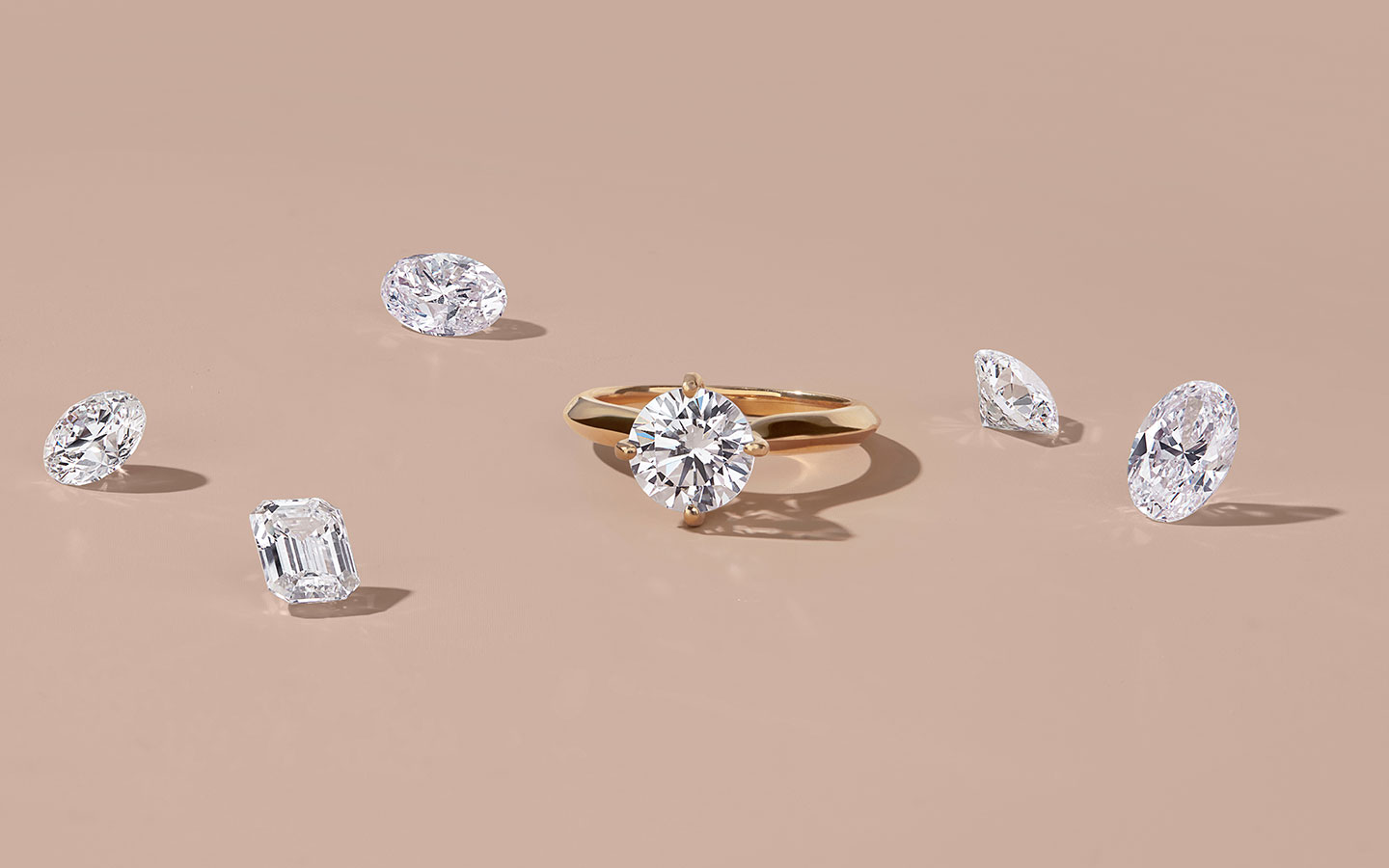
If you’ve ever gone diamond shopping—whether online, in a store, or just browsing because you’re curious—you’ve probably come across three letters that seem to carry a lot of weight. GIA. And then sometimes, another set: gia vs igi .
And then you realize, wait a second. These guys are not the diamond sellers. They’re grading labs. The ones who tell you if your diamond is sparkly-perfect or… not so much. But here’s the kicker: when you throw lab created diamonds into the mix, things get a little messy.
So, let’s break it down in plain English. No stiff gemologist talk. Just the stuff you actually need to know if you’re trying to decide between a GIA and IGI certificate for your shiny new lab-grown gem.
What’s GIA? What’s IGI?
GIA (Gemological Institute of America) is like the Ivy League of diamond grading. Harvard, Yale, Princeton vibes. People trust it. Jewelers love it. And if you’ve ever seen someone brag, “This is a GIA diamond,” you can almost hear the champagne cork pop.
IGI (International Gemological Institute) is… more like the popular kid at the local university. Less snobby, more approachable, but not always seen as “the gold standard.” For years, jewelers would whisper that IGI wasn’t as strict. That they were more “forgiving” in grading. Now, whether that’s fair or not—well, that’s where opinions start flying.
Does Grading Even Matter for Lab Created Diamonds?
Here’s the thing. Whether your diamond came out of the earth after a billion years or out of a lab after a few weeks—it still needs a grade.
Clarity. Cut. Color. Carat weight. The four C’s. Without them, how do you even compare prices?
Imagine going to buy a car and the seller just says, “It’s nice. Trust me.” Yeah, no thanks.
That’s why grading matters. And that’s why GIA vs IGI comes up a lot in the lab created diamonds world.
GIA Handles Lab Diamonds
For a long time, GIA wasn’t super keen on lab diamonds. They’d grade them, sure, but in a very “we’ll do it, but we don’t love it” kind of way. Reports were short. The details were vague. Almost like they didn’t want to give them the same attention as natural stones.
But lately? They’ve loosened up. Their reports for lab created diamonds now look pretty similar to their natural diamond reports. They include the 4 C’s, and they’ve got credibility.
Still, GIA is slower with updates. They’re cautious. Which isn’t necessarily bad—it just means they’re the more traditional player.
IGI’s Approach: The Hustler Lab
IGI saw lab diamonds coming from a mile away. Instead of dragging their feet, they jumped on the train early. They were like, “Cool, let’s grade these things and make it mainstream.”
So now, IGI is one of the biggest names for lab created diamonds. Jewelers love them because they’re faster, often cheaper, and—let’s be real—more practical. You send a diamond to IGI, you’ll usually get it back sooner than GIA.
The flip side? Some people say IGI is more lenient. Like, if GIA says a diamond is a G color, IGI might call the same stone an F. Tiny differences, but still.
The Price Factor
Let’s be honest. Price is often the dealbreaker.
A lab diamond graded by IGI will usually be cheaper than one graded by GIA. Sometimes only a little, sometimes a lot. Why? Trust. People trust GIA more, so those diamonds can command a slightly higher resale or retail price.
But here’s the tricky part. With lab diamonds, resale value isn’t huge anyway. They depreciate faster than natural diamonds. So does paying extra for a GIA cert really matter? Depends on your goals.
If you’re buying to impress and want that “gold standard” paper—go GIA.
If you’re buying for beauty and value—IGI is totally fine.
Real-Life Example:
I know someone (let’s call her Sarah) who wanted a 2-carat lab diamond for her engagement ring.
GIA-graded: $5,200.
IGI-graded: $4,500.
Same specs on paper. Both gorgeous stones. But she went with the IGI because, honestly, that $700 difference? It bought her the wedding photographer she wanted. And nobody at the wedding was like, “Excuse me, but was that certified by GIA?”
A Few Human Thoughts
Here’s the thing people don’t tell you. Most folks can’t tell the difference between a GIA vs IGI graded stone. Not with the naked eye. Not even close.
So yeah, gem nerds online might debate endlessly. But in real life? Your partner, your friends, your mom—they’re just going to say “Wow, that’s beautiful.”
And to be fair, lab created diamonds themselves are already a huge disruptor. They’re eco-friendly (ish—depends on the lab), they’re more affordable, and they’re chemically the same as mined diamonds.
The grading lab is just the icing on the cake.
A Quick Recap (Because This Got Long)
- GIA = more prestige, stricter, often more expensive.
- IGI = faster, more practical, slightly more forgiving, and usually cheaper.
- For lab created diamonds, both are solid. The choice depends more on your priorities than anything else.
So, Which Should You Pick?
Here’s my honest take. If you’re buying a lab grown diamond for yourself or as an engagement ring, don’t overthink it. Get the one that makes sense for your budget and your timeline.
If you want that extra bragging right and peace of mind—go GIA. If you want the best deal and don’t care about a little grading subjectivity—IGI’s your buddy. At the end of the day, both are respected enough that you’re not making a bad choice either way.
Conclusion
The whole GIA vs IGI debate for lab created diamonds is kind of like arguing Coke vs Pepsi. Each has its loyal fans. Each has its quirks. But in the end, they both get the job done. So ask yourself what really matters to you. Prestige? Speed? Price? Or just having a diamond that looks amazing every time it catches the light? Because let’s face it—when you slide that ring on your finger, the last thing you’ll be thinking about is a piece of paper with three letters on it. And maybe that’s the real truth behind the grading game.


